

HOMES UNDER THE SEA FLIGHT PATH
How Your Roof Can Help With Aircraft Noise
Living in SeaTac means living alongside Seattle-Tacoma International Airport, and for many homeowners, the sound of aircraft overhead is part of everyday life. While your roof’s first job is protecting your home from the Pacific Northwest weather, the entire roof and attic assembly also creates a barrier between exterior noise and the rooms below.
If you’re replacing an older roof, it’s a good opportunity to look beyond the shingles and consider how the different layers of your roof — including the decking, attic insulation, ventilation, and skylights — work together. The right improvements can help create a more comfortable home while giving you a roof system built for the conditions that come with living near SEA.
A quieter, more comfortable home starts with the entire roof system — not just the shingles.
A quieter, more comfortable home starts with the entire roof system — not just the shingles.
BUILDING A STRONGER BARRIER
Sound doesn’t only enter a home through windows and doors. It can also travel through the roof and attic assembly. When we’re planning a roof replacement for a SeaTac home, the materials underneath the finished roofing are worth considering too.
Thicker roof decking can add mass to the roof assembly, while additional attic insulation creates another layer between the exterior of the home and your living space. Together, these improvements can help reduce sound transmission while also supporting better energy efficiency and indoor comfort.
The condition of the existing roof matters as well. Damaged decking, worn roofing materials, gaps, and other deficiencies should be identified during the replacement process so the new roof is installed over a solid, complete system.
DON’T OVERLOOK YOUR SKYLIGHTS
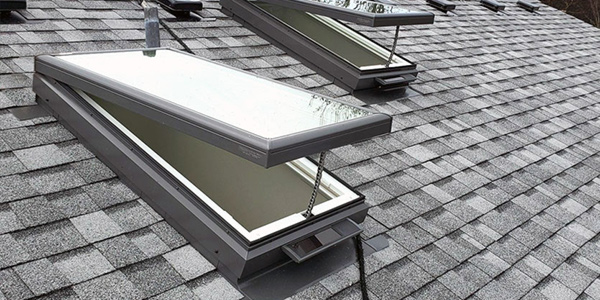
Skylights are easy to overlook when thinking about aircraft noise, but they’re another part of the home’s exterior envelope. Older skylights — particularly those with less efficient glazing — may allow more exterior sound to pass through than today’s higher-performance options.
For homeowners looking to improve comfort during a roof replacement, triple-glazed and other high-performance skylights are worth considering. The additional layers of glass create a stronger barrier between your living space and the outdoors while also offering improvements in insulation and energy efficiency.
A roof replacement is also an ideal time to evaluate existing skylights, since the surrounding roofing and flashing are already being addressed.
EXISTING SOUND-INSULATION WORK MATTERS
Sound insulation isn’t new to SeaTac. Over the years, many homes surrounding SEA have received noise-mitigation improvements through Port of Seattle programs, including upgrades designed specifically to reduce aircraft noise inside the home.
If your home has previously received sound-insulation work, it’s important to let your roofing contractor know before work begins. Existing improvements to ventilation, insulation, windows, doors, or other parts of the home’s envelope may need to be considered when planning a new roof.
Rather than looking at the shingles in isolation, we look at how the roof replacement fits into the home as a whole — especially when previous sound-reduction improvements are already in place.
PLANNING A ROOF REPLACEMENT IN SEATAC?
If aircraft noise is a concern, let us know. We can look at your existing roof, attic, insulation, and skylights and talk through options that may make sense as part of your roof replacement. Some SeaTac homes may also qualify for aircraft-noise mitigation through the Port of Seattle’s Sound Insulation Program. Eligibility is separate from your roofing project, but we’re happy to help you understand how any existing sound-insulation improvements may factor into the work we’re doing on your home.
WHY SEATAC ROOFS
NEED LOCAL EXPERIENCE
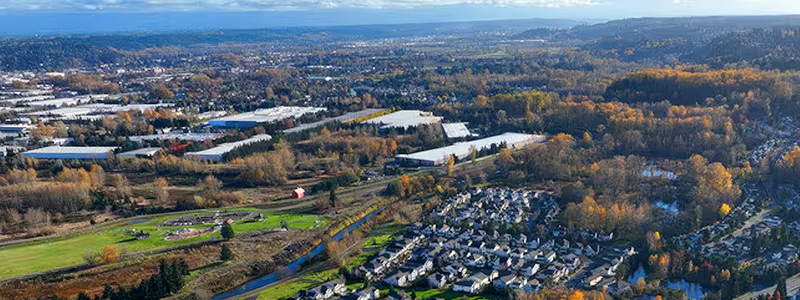
SeaTac presents unique roofing challenges. From homes beneath the SEA flight path to older Highline neighborhoods and the city’s wet climate, local conditions affect how roofs age and how they’re replaced. Here’s what makes roofing in SeaTac different.
Our Roofing Services in SeaTac
Our Roofing Services
in SeaTac
What Makes Roofing in SeaTac Different?
Built for Highline-Area Housing Stock
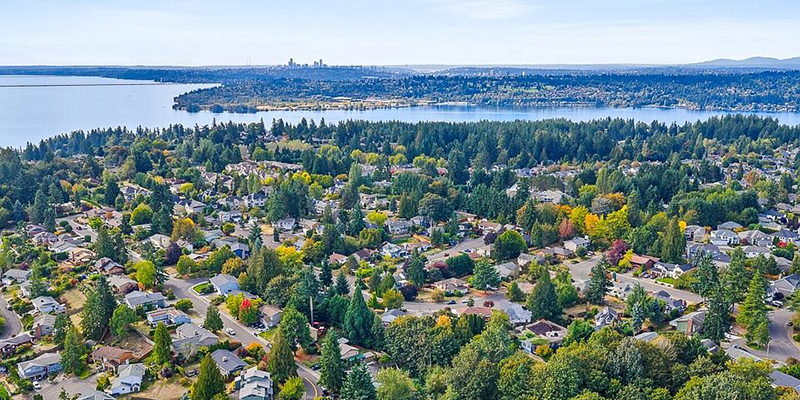
SeaTac was incorporated in 1990, but the Highline area it sits in dates back much further. The bulk of SeaTac’s housing was built between the 1950s and 1970s — single-family ranchers, split-levels, and modest two-stories on lots that have aged in place rather than turning over through teardown cycles. These homes typically have roof systems with original underlayment that’s well past its design life, aging flashing details, and ventilation setups that don’t meet modern code. We know this housing stock — we’ve been working on it for over 30 years.
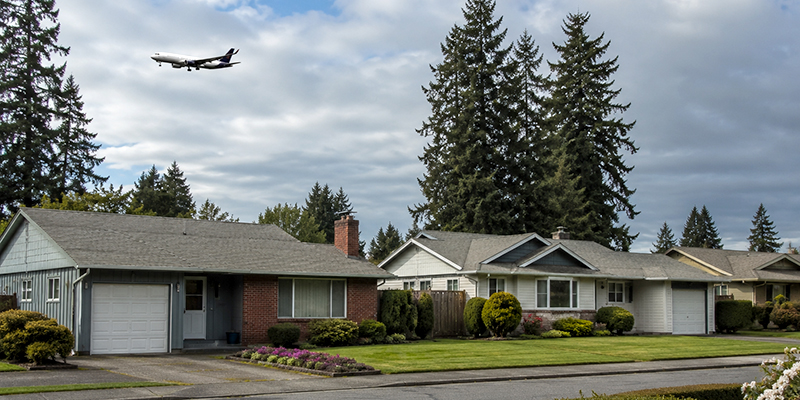
Designed for Life Under the SEA Flight Path
SeaTac homes sit directly under one of the busiest flight paths in the Pacific Northwest. That comes with two specific roofing considerations: vibration and wear from constant overhead air traffic, and the noise-insulation programs that have driven attic and roof modifications on many older Highline-area homes over the decades. When we inspect or replace a roof in SeaTac, we know what previous noise-insulation work looks like, how to integrate it with current roofing systems, and what to watch for in homes that have been through that program.
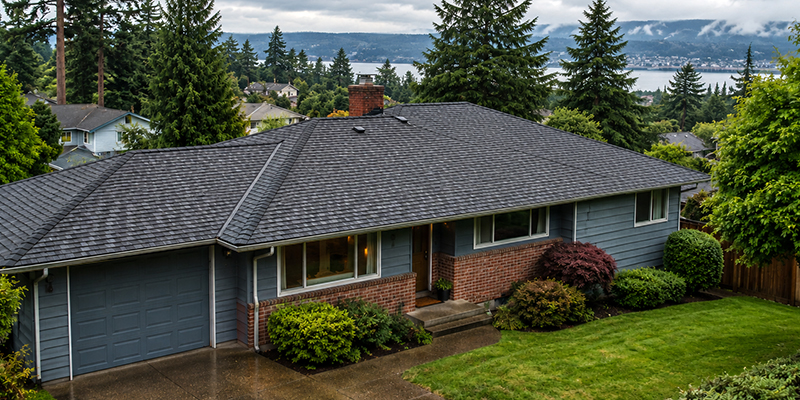
Built for South Sound Wind and Moisture
SeaTac sits in a wind corridor between Puget Sound and the Green River valley. Wind events that move up the south Sound — especially in fall and winter — hit SeaTac with measurable force, particularly on west-facing exposures and the bluffs above Des Moines Memorial Drive. We install ridge venting, flashing details, and underlayment systems engineered for this specific exposure, not just generic PNW conditions.
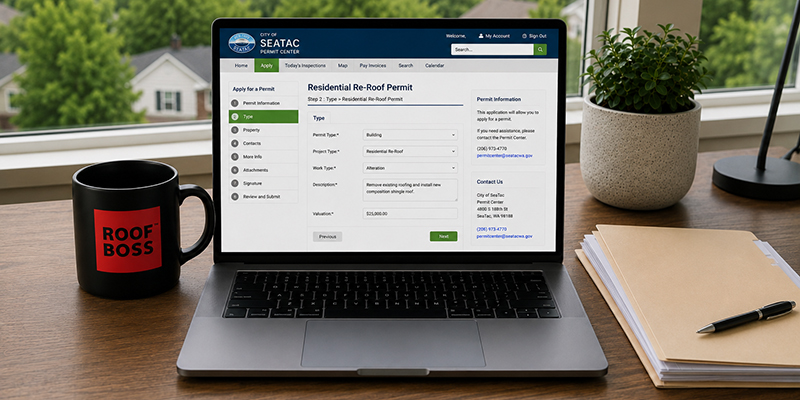
Familiar With the City of SeaTac Permitting Process
Roof replacements and structural roofing work in SeaTac go through the City of SeaTac Permit Center. We’ve been working within SeaTac’s permitting framework since the city was incorporated in 1990 — pulling permits where required, scheduling inspections, and ensuring code compliance. For homes in adjacent unincorporated King County areas, we navigate the County’s separate process. We handle the paperwork so you don’t have to figure out which jurisdiction applies.
Local Insights About SeaTac Roofing
ROOF BOSS USA knows SeaTac. Our shop is right here at 18458 8th Ave S — less than a mile from Sea-Tac Airport — and we’ve been protecting homes across King County since 1991. SeaTac’s climate is tough on roofs: the area averages over 37 inches of rain annually, and the combination of wet winters, moss-prone conditions, and occasional wind events from the south Sound corridor means your roof takes a beating year-round.
SeaTac is unlike any other roofing market in King County. Our homes sit directly under the SEA flight path and along the Highline corridor — older neighborhoods with housing stock that dates largely to the 1950s and 1960s, alongside newer construction off Des Moines Memorial Drive and International Boulevard. That mix demands a roofer who can handle aging roof systems, modern installations, and the unique noise-insulation and weather-exposure considerations that come with living near the airport. We dispatch from 8th Ave South. When a SeaTac homeowner calls us with an emergency leak, our crew can usually be on site faster than any other roofer in the south King County market.


SeaTac Roofing at a Glance
SeaTac Roofing
at a Glance
37″+
Average annual
rainfall
1950s–1970s
Many homes built
in these decades
Moss Growth
Common due to
shade & moisture
Flight Path
Noise and retrofit
experience matters
Permits Required
We handle the
process for you
Solar Friendly
Standing seam metal
roofs are ideal