
Frequently
Asked Questions
Answers From the Best Roofing Company in Western Washington
Whether you’re replacing an aging roof, comparing materials, dealing with storm damage, or wondering what to expect during your project, we’ve answered the questions homeowners ask us most.
Frequently
Asked Questions
Answers From the Best Roofing Company in Western Washington
Whether you’re replacing an aging roof, comparing materials, dealing with storm damage, or wondering what to expect during your project, we’ve answered the questions homeowners ask us most.
LICENSED • INSURED • 30+ YEARS EXPERIENCE • FINANCING AVAILABLE • PRICE MATCH GUARANTEE
LICENSED • INSURED • 30+ YEARS EXPERIENCE • FINANCING AVAILABLE • PRICE MATCH GUARANTEE
Everything You Need to Know Before Your Roofing Project
We believe in transparency, honest recommendations, and making the roofing process simple.
Browse by category below or jump to a popular question.
Roof Replacement Questions
Not every roofing problem means you need a new roof. Minor, localized damage—such as a few missing or damaged shingles, a small leak, or damaged flashing—may be repairable. More extensive issues, such as widespread shingle damage, repeated leaks, sagging areas, deteriorated decking, or a roof nearing the end of its expected lifespan, may indicate that a full roof replacement is the better long-term solution.
The best way to determine what your roof actually needs is through a professional roof inspection. An inspection allows us to identify the source and extent of the problem and evaluate the overall condition of your roofing system.
At ROOF BOSS, we don’t believe in recommending a full roof replacement when a repair can properly address the problem. If a repair is a safe and effective option, we’ll let you know and help you choose the most cost-effective solution for your home. When a roof has reached the point where replacement is the better investment, we’ll explain why and walk you through your options.
The cost of a roof replacement depends on several factors, including the size and pitch of your roof, the roofing material you choose, the condition of the underlying roof deck, flashing and ventilation requirements, and the complexity of the installation.
Because every home is different, there isn’t one price that applies to every roof. A professional estimate provides a much more accurate picture of what your specific roof replacement will cost.
Want a quick starting point? Use the ROOF BOSS Roof Cost Calculator to get an instant estimate based on your home and roofing needs.
The timeline for a roof replacement depends on several factors, including the size and complexity of the roof, the roofing material, the condition of the existing roof, accessibility, and weather conditions. A standard asphalt shingle roof replacement can often be completed in 2–4 days, while larger or more complex projects may take longer.
Different roofing systems also have different installation requirements. Metal roofing, TPO and other low-slope roofing systems, and projects that include skylights, chimneys, or other roof penetrations may require additional time because of the specialized installation and flashing involved.
The condition of your existing roof can also affect the schedule. If damaged or deteriorated roof decking, flashing, ventilation, or other underlying components are discovered during the replacement, those areas may need to be addressed before the new roofing system can be installed.
Before your project begins, your ROOF BOSS estimator will discuss the expected timeline and what you can expect throughout the process. We’ll keep you informed if anything changes along the way, so you know what’s happening with your roof from start to finish.
A roof replacement involves much more than simply putting new roofing material over your existing roof. Before installation begins, your ROOF BOSS team will prepare the work area, protect your home and landscaping, and remove the existing roofing materials so the roof deck can be properly inspected.
Once the existing roofing is removed, we evaluate the roof decking and underlying components for signs of damage or deterioration. If repairs are needed, we’ll address them before installing the new roofing system. This is also when we can identify issues that may not have been visible during an initial inspection.
From there, we install the components of your new roofing system based on the materials and specifications selected for your home. Depending on the project, this may include underlayment, ice and water protection, flashing, ventilation, skylights, metal components, shingles, TPO, or other roofing materials. Each component plays an important role in protecting your home from water, weather, and premature wear.
During installation, our team pays close attention to areas that require additional detail, such as valleys, roof-to-wall transitions, chimneys, skylights, vents, and other roof penetrations. Proper installation in these areas is especially important for preventing leaks and ensuring the roofing system performs as intended.
Once the new roof is installed, the project isn’t finished yet. Our team completes a thorough cleanup and final inspection to make sure the work area is left clean and the roofing system has been installed properly.
At ROOF BOSS, we want you to understand what’s happening throughout your roof replacement—not just what happens on the roof, but why each step matters. Your estimator will walk you through the process and keep you informed if anything unexpected is discovered during the project.
The lifespan of a new roof depends on the roofing material, quality of installation, weather exposure, ventilation, and maintenance, but a properly installed and maintained roof can provide many years of reliable protection.
As a general guideline:
- Asphalt shingles: approximately 20–30 years, depending on the specific shingle and conditions. Owens Corning notes that architectural shingles generally have a longer life than three-tab shingles.
- Metal roofing: 50 years or more is a reasonable expectation for many properly installed metal roofing systems.
- TPO and other low-slope roofing systems: lifespan varies depending on the specific membrane, installation, exposure, drainage, and maintenance.
These are general estimates, not guarantees. Proper installation and ventilation, regular maintenance, and protection from severe weather can all affect how long your roofing system lasts.
At ROOF BOSS, we’ll help you understand the expected lifespan, maintenance requirements, and long-term value of the roofing system you’re considering, so you can choose the option that makes the most sense for your home and budget.
Yes, in most cases, you can stay in your home during a roof replacement. However, you should expect significant noise and some disruption while the work is underway, particularly during tear-off and installation. Depending on the size and scope of the project, the noise may continue throughout much of the workday.
You don’t necessarily need to leave your home, but you may want to make other arrangements if you work from home, have young children, or have pets that are sensitive to loud noise.
There are also a few things you can do to prepare your home before the project begins. Move vehicles and outdoor furniture away from the work area, secure or remove delicate items from walls and shelves, and protect valuables stored in the attic or other areas where dust or debris could fall. Your roofing contractor should also let you know where the crew will need access and how materials and equipment will be staged.
In most cases, the roofing crew will not need regular access to the inside of your home. There may be situations where interior access is necessary, such as checking ventilation, investigating a leak, or addressing a specific structural concern. Your ROOF BOSS team will communicate with you beforehand if access inside your home is needed.
Most importantly, you should never have to wonder what is happening during your roof replacement. Your ROOF BOSS team will keep you informed about the work, what to expect each day, and anything that changes during the project.
Still Wondering What Your Roof Will Cost?
Use our Roof Cost Calculator for an instant estimate in under 60 seconds.
Still Wondering What Your Roof Will Cost?
Use our Roof Cost Calculator for an instant estimate in under 60 seconds.
Still Wondering What
Your Roof Will Cost?
Use our Roof Cost Calculator for an instant estimate in under 60 seconds.
Roof Repair Questions
Many roofing problems can be repaired without replacing the entire roof, especially when the damage is localized and the rest of the roofing system is in good condition. Common repairs include missing, cracked, or damaged shingles; damaged flashing; leaking areas around chimneys, skylights, vents, and other roof penetrations; and certain areas of damaged or deteriorated roofing materials.
Roof repairs can also address damage caused by wind, hail, fallen branches, and other weather-related events. The type of repair needed will depend on the roofing material and the location and extent of the damage.
However, not every problem is visible from the ground, and the source of a leak isn’t always located directly above the area where water appears inside your home. A professional roof inspection can help identify the actual source of the problem and determine whether a repair is an appropriate solution.
At ROOF BOSS, we believe a roof should be repaired when a repair is the right solution. If your roof has years of useful life remaining and the damage can be properly addressed without a replacement, we’ll recommend the repair rather than selling you a new roof you don’t need.
Some signs that your roof may need a repair include missing or damaged shingles, cracked or lifted roofing materials, damaged flashing, water stains on ceilings or walls, leaks in the attic, or visible damage after a storm. You may also notice loose or damaged materials around chimneys, skylights, vents, or other areas where your roof meets another surface.
It’s important to address these warning signs before they become larger problems. A small roofing issue can allow water to reach the roof deck, insulation, framing, or interior of your home, potentially turning a relatively simple repair into a much more expensive problem.
You don’t have to diagnose the problem yourself. If you notice something that doesn’t look right, a professional roof inspection can determine what’s causing the issue and whether it can be repaired.
If you’re unsure whether your roof needs attention, it’s better to have it evaluated sooner rather than waiting for a small problem to become a major one.
Roof repair costs can vary significantly because a repair may range from replacing a few damaged shingles to addressing a larger area of roofing, repairing flashing, replacing damaged decking, or correcting a leak around a skylight, chimney, vent, or other roof penetration.
The type and extent of damage, roofing material, accessibility of the repair, and whether there is underlying damage all affect the cost. For example, repairing a small section of asphalt shingles will typically be a very different project than repairing a metal roof or TPO system, or addressing damage that has reached the roof deck.
That’s why we don’t believe in giving homeowners a one-size-fits-all price without first understanding what’s actually happening with their roof. A professional inspection allows us to identify the source of the problem and determine exactly what needs to be repaired.
Once we’ve evaluated the damage, we’ll explain what needs to be repaired, why it needs to be repaired, and what the repair will cost before moving forward. If a repair is the appropriate solution, we’ll recommend the repair rather than pushing you toward a full roof replacement.
Our goal is to fix the problem effectively and give you the most cost-effective solution for your roof—not sell you more work than you need.
In general, roof damage should be evaluated and addressed as soon as possible. A small leak or damaged area may seem minor at first, but continued exposure to water can cause the problem to spread and lead to damage to the roof decking, insulation, framing, drywall, or other parts of your home. Addressing the issue early can often prevent a relatively simple repair from becoming a much larger and more expensive project.
If you discover an active leak inside your home, take steps to protect the area below the leak while you arrange for a professional inspection. Move furniture and belongings out of the affected area and place a container beneath dripping water if it is safe to do so. If water is near electrical fixtures, outlets, or other electrical equipment, avoid contact with the area and contact a qualified professional.
If your roof has been damaged by wind, hail, fallen branches, or another storm event, it’s a good idea to have it professionally inspected even if you don’t see an active leak. Roofing damage isn’t always obvious from the ground, and problems with shingles, flashing, metal components, skylights, or other roof elements may not cause an immediate interior leak.
After a storm, documenting what you can safely see from the ground—such as missing shingles, visible dents, fallen branches, or damaged flashing—can also be helpful. Don’t get on the roof yourself to look for damage. Roofing surfaces can be slippery or unstable, and a professional inspection provides a much safer and more thorough evaluation.
At ROOF BOSS, we’ll assess the condition of your roof, identify the source and extent of the damage, and explain what needs to be done. If the damage can be properly repaired, we’ll recommend a repair rather than a full replacement. The sooner a problem is evaluated, the more options you may have for addressing it before additional damage occurs.
Yes. A properly performed roof repair can extend the useful life of a roof when the overall roofing system is still in good condition. Addressing problems such as damaged or missing shingles, deteriorated flashing, localized leaks, or other isolated areas of damage can help prevent those issues from spreading and protect the rest of the roofing system.
How much additional life a repair can provide depends on the age and overall condition of the roof, the type and extent of the damage, the roofing material, and how well the roof has been maintained. A newer roof with isolated damage may continue to perform well for many years after a repair, while an older roof with widespread deterioration may have a more limited remaining lifespan.
It’s also important to address the underlying cause of a problem, rather than simply repairing the visible damage. For example, a recurring leak may require correcting damaged flashing, poor drainage, or another issue that is allowing water to enter the roofing system.
A professional inspection can help determine whether a repair can effectively extend the life of your existing roof and what kind of lifespan you can reasonably expect from it after the repair. A good repair should address the problem—not simply cover it up.
A roof repair starts with identifying where the problem is and what caused it. Because water can travel underneath roofing materials before entering your home, the visible location of a ceiling stain or leak isn’t necessarily where the roof is actually damaged. A professional inspection helps identify the source and determine the extent of the repair needed.
Depending on the issue, a repair may involve replacing damaged or missing shingles, repairing or replacing flashing, sealing or repairing areas around skylights and roof penetrations, replacing damaged sections of roofing material, or repairing portions of the underlying roof deck.
For storm-related damage, the repair may also involve addressing damage from wind, hail, fallen branches, or other debris. Different roofing systems require different repair methods, so the appropriate solution will depend on whether your home has asphalt shingles, metal roofing, TPO, or another system.
Once the repair is complete, the area should be inspected to make sure the underlying issue has been addressed and the repaired section is properly integrated with the existing roofing system.
At ROOF BOSS, we’ll walk you through what we find and explain the recommended repair before any work begins. You shouldn’t have to guess what we’re fixing or why it needs to be fixed.
Roofing Materials Questions
The right roofing material for your home depends on your roof design, slope, budget, desired appearance, expected lifespan, and the conditions your roof needs to withstand. Different roofing systems are designed for different applications, so the best option isn’t necessarily the same for every home.
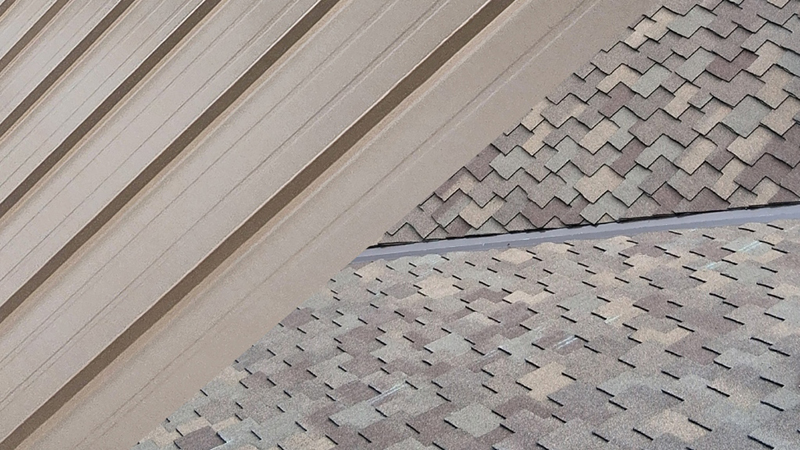
For most residential roofing projects, the primary options include asphalt shingles, metal roofing, and TPO or other low-slope roofing systems. Asphalt shingles are a popular choice for traditionally sloped residential roofs and are available in different levels of quality, appearance, and performance. Metal roofing offers a longer expected service life and can provide a distinctive look, while TPO is commonly used on low-slope or flat sections where shingles aren’t an appropriate option.
Western Washington’s climate is another important consideration. Frequent rainfall, prolonged moisture, wind, moss and algae growth, and seasonal temperature changes can all affect how a roofing system performs over time. Proper material selection, drainage, ventilation, flashing, and installation are particularly important for helping protect a home in our wet climate.
Your roof may also require more than one type of roofing system. For example, a home may have asphalt shingles on its primary pitched roof and TPO on a low-slope addition. Metal components may also be incorporated around areas such as valleys, walls, chimneys, skylights, and other roof penetrations.
The visible roofing material is only one part of a complete roofing system. Underlayment, ice and water protection, flashing, ventilation, drainage, and proper installation all play an important role in how well your roof performs and how long it lasts.
Your ROOF BOSS estimator can evaluate your home’s roof and help you understand which roofing systems are appropriate for your particular home. We’ll explain the differences in cost, appearance, performance, maintenance, and expected lifespan so you can make an informed decision about your new roof.
Not all asphalt shingles are the same. Today’s architectural shingles are available in different levels of quality, appearance, performance, and price, giving homeowners options based on their home’s needs and budget.
At the entry level, Oakridge® is an architectural shingle designed to provide solid performance and an attractive dimensional appearance. From there, homeowners can step up into higher-performance and premium architectural shingle options, such as Owens Corning’s Duration® Series, which includes several products with different features, appearances, and price points.
Higher-level shingles may offer features such as enhanced wind resistance, impact resistance, heavier construction, more dimensional appearance, or specialized performance characteristics. For example, Owens Corning’s Duration® Series includes options such as Duration®, Duration® Designer, Duration MAX®, Duration® Premium, Duration FLEX®, and Duration STORM®, each designed with different performance or aesthetic features.
The right shingle isn’t necessarily the most expensive one. A higher price doesn’t automatically mean it’s the best choice for every home. Factors such as your home’s location, roof design, desired appearance, expected lifespan, budget, and the level of performance you’re looking for should all be considered.
Your ROOF BOSS estimator can walk you through the available shingle options and explain what you get as you move from one level to the next, so you can decide which option provides the right balance of cost, performance, and appearance for your home.
Both metal roofing and asphalt shingles can be excellent choices, and the best option depends on your home, budget, desired appearance, and long-term goals. Each material has its own advantages, so it’s important to consider more than just the initial installation cost.
Asphalt shingles are one of the most popular residential roofing options because they offer a combination of affordability, durability, and versatility. They come in a wide range of colors and styles and can complement nearly any type of home. Depending on the product selected, asphalt shingles can typically provide around 20–30 years of service when properly installed and maintained. They’re also generally less expensive upfront than metal roofing, making them an attractive option for homeowners who want reliable protection while keeping their initial investment lower.
Metal roofing offers a longer expected service life, with many properly installed systems lasting 50 years or more. Metal is also highly durable and can provide excellent resistance to rain, wind, and other weather conditions. With a variety of profiles, finishes, and colors available, metal can also give a home a distinctive appearance while providing long-term performance.
The long-term value of each material is worth considering as well. While metal generally has a higher upfront cost, its longer expected lifespan may make it an attractive investment for homeowners planning to stay in their home for many years. Asphalt shingles, on the other hand, can provide excellent value for homeowners who prioritize a lower initial investment while still wanting a durable, attractive roofing system.
At ROOF BOSS, we also fabricate our metal roofing in-house, giving us greater control over the fabrication process and allowing us to create custom components for individual projects. This can be particularly beneficial for details such as flashing, trim, valleys, transitions, and other areas where a precise fit is important.
Ultimately, there isn’t one material that’s right for every homeowner. Your ROOF BOSS estimator can help you compare upfront cost, expected lifespan, durability, appearance, maintenance, and long-term value so you can choose the roofing system that best fits your home and priorities.
TPO, or thermoplastic polyolefin, is a single-ply roofing membrane commonly used on low-slope and flat roof systems. Unlike asphalt shingles, which rely on overlapping pieces to shed water, TPO creates a continuous membrane across the roof surface and is designed to provide a watertight barrier.
TPO is often used on areas where the roof does not have enough slope for traditional shingles. This can include low-slope additions, garages, porches, and other sections of a home where water drainage needs to be handled differently than on a steeply pitched roof.
A TPO roofing system involves more than simply installing the membrane. Depending on the project, the system may include insulation, cover boards, flashing, drainage components, edge details, and properly sealed seams and penetrations. The specific components and installation method depend on the design and condition of the roof.
TPO can also be useful when a home has multiple roof slopes or different roofing systems. For example, a home may have asphalt shingles on its primary pitched roof while using TPO on a low-slope addition. The two systems can be designed to work together while each is used where it is most appropriate.
Because low-slope roofing requires different installation techniques than traditional shingle roofing, proper design, drainage, flashing, and installation are especially important. Your ROOF BOSS estimator can evaluate the slope and configuration of your roof and explain whether TPO or another low-slope roofing system is appropriate for your home.
Choosing a roofing material isn’t just about picking the color or style you like. The right roofing system should take into account your home’s roof design and slope, structural requirements, budget, desired lifespan, maintenance expectations, appearance, and the weather conditions your roof will face.
For example, asphalt shingles may be a practical choice for a homeowner looking for a durable and cost-effective roofing system with a wide variety of styles. Metal roofing may be appealing if you’re looking for a longer expected service life or a different architectural appearance. A low-slope portion of your home may require TPO or another roofing system specifically designed for that application.
It’s also important to consider the entire roofing system, not just the visible roofing material. Underlayment, flashing, ventilation, drainage, ice and water protection, and proper installation all contribute to the performance and longevity of your roof. Owens Corning emphasizes that shingles are one component of a complete roofing system. (owenscorning.com)
You should also consider how long you plan to stay in the home. A homeowner planning to stay for decades may place more value on a longer-lasting material, while another homeowner may prioritize a lower initial investment.
There isn’t a single “best” roofing material for every homeowner. The best choice is the one that provides the right balance of cost, performance, appearance, and expected lifespan for your particular home.
Your ROOF BOSS estimator can help you compare your options and explain what each roofing system can offer so you can make a decision based on your home’s needs rather than simply choosing the cheapest or most expensive option.
Yes. The roofing material is one of several factors that can significantly affect the total cost of a roof replacement. Asphalt shingles, metal roofing, and TPO have different material costs, installation requirements, and associated components. Even within the same material category, different products can vary in price based on their construction, appearance, performance features, and expected lifespan.
For example, asphalt shingles are available at different price points, from more basic products to higher-end architectural and designer shingles. Metal roofing also varies depending on the type of metal, profile, finish, and installation method. TPO projects can have different costs depending on the membrane, insulation, cover board, drainage requirements, and complexity of the low-slope roof.
The roofing material is only part of the total project cost. Other factors can include roof size and pitch, roof complexity, accessibility, existing roof conditions, damaged decking, flashing, ventilation, skylights, chimneys, and other roof penetrations.
That’s why comparing roofing materials based only on the price of the shingles, panels, or membrane doesn’t tell the whole story. A less expensive material may have a lower upfront cost but a different expected lifespan or maintenance profile than a more expensive option.
When comparing roofing options, it’s helpful to consider the total investment over the expected life of the roof, rather than just the initial installation price.
Your ROOF BOSS estimator can explain the differences between your available options and how each one affects the overall cost, expected lifespan, appearance, and performance of your new roofing system.
Not Sure Which Roofing System Is Right For Your Home?
Our roofing specialists will explain your options with no pressure and no obligation.
Not Sure Which Roofing System Is Right For Your Home?
Our roofing specialists will explain your options with no pressure and no obligation.
Not Sure Which Roofing System Is Right For Your Home?
Our roofing specialists will explain your options with no pressure and no obligation.
Storm Damage & Insurance
Storm damage can look different depending on the type of weather your roof has experienced. In Western Washington, wind and heavy rain are common concerns, but hail, falling branches, and other severe weather can also damage a roofing system.
Wind can lift, loosen, or displace shingles and damage flashing, vents, metal components, and other roof details. Heavy or prolonged rain can expose weaknesses in the roofing system and contribute to leaks or moisture intrusion. Hail can leave dents, impact marks, or other damage to roofing materials, while fallen branches and debris can cause more obvious physical damage.
Some signs you can safely look for from the ground include missing or displaced shingles, visible damage to flashing or metal components, fallen branches, damaged gutters, or new water stains or leaks inside your home. However, some storm damage may be difficult to see without a closer inspection, particularly around flashing, roof penetrations, and other vulnerable areas.
If you’ve experienced a significant storm and are concerned about your roof, don’t get on the roof yourself to look for damage. A professional inspection can safely evaluate the roofing system and determine whether there is damage that needs to be repaired.
At ROOF BOSS, we’ll document what we find and explain the condition of your roof so you understand whether damage occurred, what caused it, and what needs to be done next.
If you believe your roof has sustained storm damage, the first step is to have the roof professionally inspected as soon as it is safe to do so. Don’t attempt to climb onto the roof yourself, especially after severe weather when surfaces may be wet, slippery, or unstable.
From the ground, you can safely look for obvious signs such as missing or damaged shingles, visible dents, fallen branches, damaged flashing, or debris on the roof. Take photos or videos of anything you can safely document, as these may be useful when discussing the damage with your insurance company.
If you have an active leak, move furniture and belongings away from the affected area and place a container beneath dripping water if it is safe to do so. If water is near electrical fixtures or outlets, avoid the area and contact a qualified professional.
It’s also helpful to document the date of the storm and any visible damage to your property. Your insurance company may request information about when the damage occurred and what you observed. If you have damage beyond the roof—such as damaged siding, gutters, windows, or fallen trees—document those areas as well.
Once the roof can be safely inspected, a professional roofer can evaluate the roofing system, document the damage, and explain what they find. This gives you a clearer picture of the condition of your roof before you decide how to proceed with repairs or an insurance claim.
Homeowners insurance may cover roof damage when it is caused by a sudden, unexpected event that is covered under your policy, such as wind or hail. However, coverage varies from one policy to another, and your deductible, exclusions, policy limits, and the specific cause of the damage can all affect whether a claim is covered.
One of the most important distinctions is between storm damage and normal aging or deterioration. A roof can be damaged by a storm even if it is older, but insurance companies may evaluate pre-existing wear, deterioration, maintenance issues, and storm-related damage separately. For example, an aging roof with worn shingles may have legitimate storm damage, but the insurance company may not cover replacing roofing materials simply because they were already near the end of their useful life.
Your policy may also have specific provisions for certain types of damage. Wind and hail coverage, deductibles, exclusions, and roof-specific limitations can vary, so it’s important to understand what your individual policy says rather than assuming every storm-related problem will be covered.
If you believe your roof has sustained storm damage, contact your insurance company to understand your claim requirements, deductible, and coverage, and keep any documentation related to the damage and inspection.
ROOF BOSS can provide an assessment of the roofing damage we observe and document the roofing work that may be necessary, but your insurance company ultimately determines whether the damage is covered and what portion of the claim is payable under your policy.
Yes. A roof can have storm damage without immediately leaking, so the absence of a leak doesn’t necessarily mean your roof is undamaged.
This is particularly important in Western Washington, where wind and heavy, prolonged rainfall can put significant stress on roofing systems. Wind can loosen, lift, or displace roofing materials, while rain can find its way through small vulnerabilities that may not become apparent inside your home right away.
Storms can also damage flashing, vents, skylights, metal components, gutters, and other roof penetrations without creating an immediate interior leak. A damaged shingle or flashing component may continue to shed water temporarily before eventually allowing moisture into the roofing system.
Having your roof inspected after a significant storm can help identify damage before it develops into a leak or causes additional problems. A professional can safely access areas of the roof that aren’t visible from the ground and document the condition of the roofing system.
If you do have suspected storm damage, it’s better to have it evaluated sooner rather than waiting for water to appear inside your home. Early identification can give you more options for addressing the problem and preventing secondary damage.
If your insurance company denies your roof claim, start by reviewing the explanation for the denial. Your insurer should provide information about why the claim was denied and what portion of the damage or loss was not considered covered under your policy.
A denial doesn’t necessarily mean there is nothing more you can do. If you believe the damage was caused by a covered storm event and the findings don’t match what you or your roofing professional observed, you can ask your insurance company to explain the decision and review the documentation supporting the claim.
Your roofing contractor can provide photos, inspection findings, measurements, descriptions of the damage, and other documentation of the roof’s condition and storm-related damage when appropriate. This can help establish what was observed during the inspection and what roofing work may be necessary.
However, your contractor does not determine whether the damage is covered—that decision belongs to your insurance company. If you disagree with the decision, you can ask your insurer about the appeal or reconsideration process outlined in your policy. For complicated disputes, homeowners may also choose to seek independent professional or legal advice.
ROOF BOSS can help you understand what we found on your roof and provide appropriate documentation of the roofing damage we observe.
Yes. ROOF BOSS can help with the roofing portion of the insurance claim process by inspecting your roof, documenting storm-related damage, and providing information about the roofing work that may be needed.
Depending on the situation, documentation may include photos of damaged roofing materials, measurements, descriptions of the damage, and an estimate for the necessary roofing work. We can also identify damage to roofing components such as shingles, metal, flashing, skylights, vents, and other areas that may have been affected by the storm.
Our role is to provide an accurate assessment of the roofing damage and clearly explain what we find. Your insurance company is responsible for determining coverage and the amount it will pay under your policy. We can’t guarantee that a claim will be approved, but we can provide the roofing documentation needed to help you communicate with your insurer.
If the damage is repairable, we’ll explain the appropriate repair options. If the damage is extensive enough to require replacement, we’ll explain what the replacement would involve and provide documentation for the roofing portion of the claim.
Our goal is to make the roofing side of the process as clear as possible so you understand what happened to your roof, what needs to be done, and what information you may need when working with your insurance company.
Warranty Questions
A new roofing project can come with different types of warranty coverage, depending on the roofing materials selected and the installation. The two primary types homeowners should understand are the manufacturer’s warranty and the contractor’s workmanship warranty.
The manufacturer’s warranty applies to qualifying roofing products and is provided by the manufacturer. It generally addresses defects in the roofing materials themselves, with coverage and requirements varying by product.
A workmanship warranty is provided by the roofing contractor and relates to the installation of the roofing system. It is intended to cover qualifying problems resulting from the contractor’s workmanship, subject to the specific terms and conditions of the warranty.
The exact warranty coverage for your project depends on the products selected, the roofing system installed, and the applicable ROOF BOSS warranty terms. Your project documentation will explain the warranties that apply to your new roof and what they cover.
Although both warranties provide protection for your roofing investment, they cover different aspects of your roof.
A manufacturer’s warranty applies to the roofing products themselves. If a qualifying product has a manufacturing defect covered under the manufacturer’s warranty, the manufacturer may provide coverage according to the terms of that warranty. Coverage can vary depending on the specific roofing material and product line.
A workmanship warranty applies to the installation of your roofing system. It covers qualifying issues related to the contractor’s installation work, subject to the contractor’s specific warranty terms and conditions.
For example, a problem caused by a defect in a roofing product may fall under the manufacturer’s warranty, while a qualifying issue caused by improper installation may fall under the workmanship warranty.
Understanding which warranty applies to a particular problem can make the process much easier if an issue ever occurs. ROOF BOSS will provide the applicable warranty information for your project so you know what coverage is available and who is responsible for addressing a covered issue.
The length of a roofing warranty depends on which warranty you’re referring to and which roofing products are installed. Manufacturer warranties and contractor workmanship warranties have different terms, and even manufacturer warranties can vary between roofing products.
Some roofing products come with warranties that can extend for decades, while the actual coverage and protections provided during that period may change over time. A longer warranty period also doesn’t necessarily mean that every type of roof damage or failure is covered for that entire period.
Your ROOF BOSS project documentation will identify the specific warranty terms that apply to your roofing system, including the applicable coverage period and any conditions or exclusions.
It’s important to keep your warranty documentation with your other home records so you can refer to it if you ever need to make a warranty-related request.
A roofing warranty is designed to cover specific issues defined by its terms and conditions, not every problem that can happen to a roof.
Depending on the applicable warranty, exclusions may include things such as normal wear and aging, improper maintenance, severe weather or natural disasters, damage caused by other contractors or modifications, or conditions specifically excluded by the manufacturer or workmanship warranty.
For example, storm damage from wind, hail, falling trees, or other severe weather may be handled differently from a manufacturing defect or qualifying installation issue. Likewise, normal deterioration over the expected life of a roofing material is not necessarily considered a warranty issue.
Because exclusions vary, it’s important to review the specific warranty documents for your roofing system rather than assuming a problem is or isn’t covered.
Your ROOF BOSS team can help you understand the applicable warranty and explain what steps to take if you believe you have a covered issue.
A roofing warranty may or may not transfer to a new homeowner, depending on the specific manufacturer warranty and ROOF BOSS workmanship warranty that apply to the project. Transfer requirements can vary by product and warranty program.
Some warranties may allow a transfer under certain conditions, while others may limit transfers or require the transfer to be completed within a specific period after the home changes ownership. There may also be differences in coverage after a warranty is transferred.
If you’re selling your home, don’t assume the warranty automatically transfers with the property. Review your warranty documentation and contact the appropriate party to determine whether the coverage is transferable and what steps are required.
Keeping your original roofing contract, warranty documents, product information, and project records can make this process much easier for a future homeowner.
If you notice a problem with your roof after installation, contact ROOF BOSS as soon as possible rather than waiting to see if the issue gets worse. Early evaluation can help determine what is causing the problem and whether it may fall under an applicable warranty.
If you notice water intrusion, a leak, damaged roofing materials, or another concern, document what you’re seeing with photos if it is safe to do so. Avoid attempting to repair or modify the roof yourself, since doing so could make the problem worse and may affect applicable warranty coverage.
When you contact ROOF BOSS, provide as much information as possible about the issue, including when you first noticed it, where it is occurring, and whether there has been any recent severe weather or other event that could have affected the roof.
Our team can evaluate the issue and determine whether it appears to be related to the roofing materials, installation, weather, normal wear, or another condition. From there, we’ll explain the appropriate next steps and whether the issue should be addressed under a manufacturer’s warranty, workmanship warranty, or another type of service.
The goal of a warranty is to give you confidence in your roofing investment, and we’re here to help you understand the coverage that applies to your roof.
General Questions
In some cases, a new roofing system can be installed over an existing layer of roofing materials, but it isn’t the right solution for every home or every roof. Whether an overlay is appropriate depends on the existing roofing material, the condition of the current roof, the number of existing layers, the roof structure, and applicable building requirements.
Installing a new roof over an existing one may seem like a way to save time or money, but it can make it more difficult to properly inspect the roof decking and underlying components. Existing damage, moisture problems, or deteriorated decking may remain hidden beneath the new roofing materials.
A complete tear-off allows the roofing contractor to inspect the roof deck and address problems before installing the new roofing system. It also provides a clean, properly prepared surface for the new materials.
The appropriate approach can also depend on the roofing system being installed. Asphalt shingles, metal roofing, and TPO have different installation requirements, and an existing roof that may be suitable for one approach may not be appropriate for another.
Your ROOF BOSS estimator can evaluate your existing roof and explain whether installing over the existing roofing is a viable option or whether a complete tear-off is the better approach for your home.
Moss and algae are common concerns for homeowners in Western Washington because our cool, wet climate and frequent rainfall create favorable conditions for organic growth, particularly on roofs that receive limited sunlight or remain damp for extended periods.
Keeping your roof and surrounding areas clear of organic debris can help. Clean gutters and downspouts, properly functioning drainage, trimmed overhanging branches, and good airflow and sunlight can all help reduce the conditions that encourage moss and algae growth.
It’s important to be careful when removing moss or algae. Pressure washing or aggressive cleaning can damage roofing materials, especially asphalt shingles. If significant growth is present, a professional should evaluate the roof and recommend an appropriate cleaning or treatment method.
Moss can also be a sign that an area of the roof is staying excessively wet. If moss repeatedly develops in the same location, it may be worth evaluating drainage, roof slope, nearby vegetation, or other conditions that are allowing moisture to remain on the roof.
Moss growth alone does not necessarily mean your roof needs to be replaced. The condition of the roofing material underneath the growth is what matters. A professional evaluation can help determine whether cleaning, maintenance, repair, or replacement is appropriate.
Yes, roofing can be done during the rainy season, but the weather has to cooperate. Roofing projects require appropriate conditions for the specific materials and installation methods being used, so rain, temperature, moisture, and surface conditions all need to be considered when scheduling and performing the work.
Asphalt shingles, metal roofing, and TPO systems each have different installation considerations. Certain products or installation methods may be more sensitive to rain, moisture, temperature, or the condition of the surface being installed over.
Rain can also affect the preparation of the roof. During a replacement, existing roofing materials may be removed so the roof deck can be inspected and prepared for the new system. The roof needs to be appropriately protected and prepared before new materials are installed, particularly if weather conditions change during the project.
Because weather in Western Washington can change quickly, your project schedule may need to be adjusted if conditions aren’t suitable for safe or proper installation. We would rather adjust the schedule than compromise the quality of the roofing system by working in unsuitable conditions.
Your ROOF BOSS team will monitor the conditions and communicate with you about any weather-related changes to your project schedule.
Not necessarily. A roof replacement doesn’t automatically mean your skylights need to be replaced, but replacing a roof is a good opportunity to evaluate the condition of existing skylights and determine whether they should remain, be repaired, or be replaced.
Skylights can develop problems as they age, including worn seals, damaged glazing, deteriorated flashing, or leaks around the skylight and surrounding roofing materials. If a skylight is already nearing the end of its useful life, replacing it while the surrounding roof is being replaced can be more practical than installing a new roof around an older skylight and addressing it later.
On the other hand, if an existing skylight is in good condition and properly functioning, there may be no reason to replace it simply because the roof is being replaced.
During a roofing project, the condition of the skylight, flashing, surrounding roofing materials, and connection between the skylight and roof should all be considered. A leak around a skylight isn’t always caused by the skylight itself—it can also originate from the surrounding flashing or roofing system.
Your ROOF BOSS estimator can evaluate your existing skylights as part of the overall roofing project and explain whether keeping, repairing, or replacing them makes the most sense for your home.
Proper roof ventilation is an important part of a complete roofing system. A properly designed ventilation system helps manage heat and moisture in the space beneath the roof, which can contribute to the performance and longevity of your roof and help protect other components of your home.
This is particularly important in Western Washington, where moisture and condensation can be ongoing concerns. Warm, moist air from inside your home can migrate into roof cavities and condense when it comes into contact with colder surfaces. Over time, excess moisture can contribute to problems such as mold, mildew, wood deterioration, damaged insulation, and other moisture-related issues.
The way a roof is ventilated depends on the design of the home. Traditional attic spaces may use a combination of intake and exhaust ventilation, while homes with vaulted or cathedral ceilings and other roof configurations may require different approaches. Not every home will use the same ventilation system, and some roof designs may have limited or no ventilation cavity.
Ventilation should also be considered when replacing a roof. A new roofing material can’t correct an improperly designed or inadequate ventilation system by itself. Your roofing contractor should evaluate the existing roof design and determine whether ventilation improvements are appropriate for the particular structure.
Proper ventilation works together with other parts of the roofing system—including insulation, underlayment, flashing, and drainage—to help manage moisture and protect your roof and home over the long term.
Want to learn more about roof ventilation? Read our article, “Let Your Roof Breathe: Why Proper Ventilation Matters More Than You Think” published in Normandy Park Living, for a deeper look at how ventilation works, why moisture management matters in the Pacific Northwest, and signs that your roof may have a ventilation issue. Read the full article »
Roof pitch describes how steeply a roof rises compared with how far it extends horizontally. The pitch of your roof affects how water drains, which roofing materials are appropriate, how the roof is installed, and how much labor and material may be required for the project.
Steeper roofs generally shed water more quickly, while low-slope roofs require different methods for managing water. This is one reason why asphalt shingles aren’t appropriate for every roof. Traditional shingle systems are designed for sloped applications, while low-slope areas may require a roofing membrane such as TPO or another system specifically designed for that type of roof.
Roof pitch can also affect the overall complexity and cost of a roofing project. Steeper or more complex roofs may require additional safety measures, specialized installation techniques, and more labor. The roof’s pitch can also affect how materials are selected and how details such as valleys, flashing, skylights, chimneys, and roof-to-wall transitions are installed.
Many homes also have multiple roof slopes, meaning a single property may use more than one roofing system. For example, the main portion of a home may have asphalt shingles or metal roofing while a lower-slope addition uses TPO.
Your ROOF BOSS estimator can evaluate the pitch and design of your roof and explain how those characteristics affect your roofing options, installation, and overall project.
Still Have Questions?
Our team is happy to help. Get started with a free estimate or see how much your new roof could cost.
SCHEDULE A FREE ESTIMATE
Book online in less than a minute. We’ll confirm your appointment and take care of the rest.
ROOF COST CALCULATOR
Get an instant estimate based on your home and roofing needs in under 60 seconds.